Food waste has become a growing global concern, affecting households, the environment, and food resources. Studies show that millions of tonnes of edible food are discarded every year due to poor storage, overcooking, and lack of planning. One of the simplest ways to tackle this issue at home is by adopting smart meal planning tips and using practical solutions like portion control lunch boxes. These small but impactful changes can help families reduce food waste, save money, and develop more sustainable eating habits.
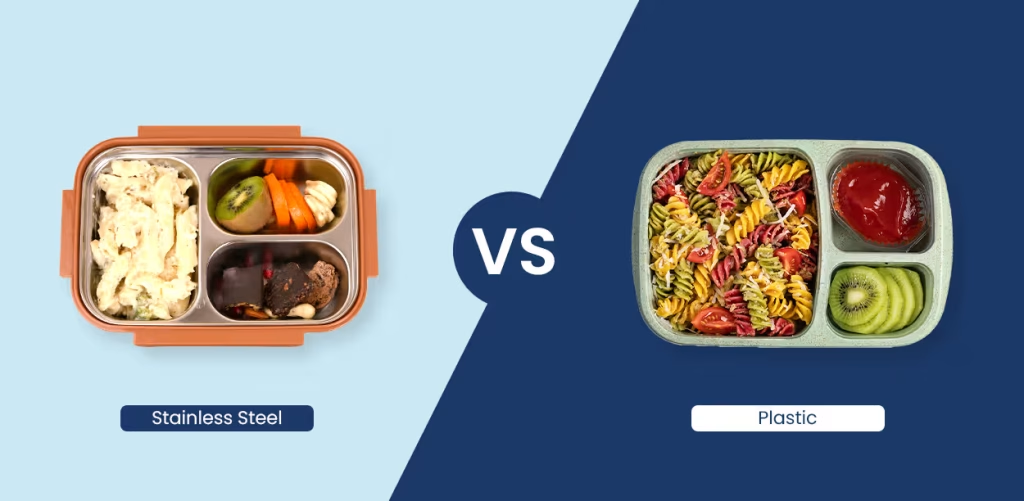
Many households unintentionally waste food simply because portions are misjudged or leftovers are forgotten in the refrigerator. This is where thoughtful meal preparation and structured food storage play an important role. By planning meals in advance and packing food in organised compartments, it becomes easier to control portions and make better use of ingredients. Tools such as compartment lunch boxes, leakproof food containers, and reusable stainless steel lunch boxes can help individuals pack the right amount of food without excess.
Food waste is not only a household issue but also an environmental challenge. When food is thrown away, it also wastes the water, energy, and resources used to produce it. According to global sustainability reports, nearly one-third of the food produced worldwide goes to waste. A large portion of this waste occurs at the household level due to poor planning and storage practices.
Common reasons food gets wasted include:
One of the easiest ways to manage food consumption is through portion control. Instead of estimating quantities every time, structured containers can guide how much food is packed and consumed. Portion control lunch boxes are designed with separate compartments that naturally divide meals into balanced sections for proteins, carbohydrates, fruits, and vegetables.
Some practical portion control tips include the following:
Packing meals efficiently is an important part of sustainable living. When meals are organised properly, food stays fresh longer and the chances of leftovers going unused are reduced. Using leakproof lunch boxes, stainless steel food containers, or bento-style compartment containers makes meal packing more practical for both children and adults.
Smart meal packing focuses on balancing nutrition and minimising waste. For example, instead of packing large servings that may not be finished, meals can be divided into smaller sections that match appetite levels. This approach is especially useful for school lunches and office meals.
A simple balanced lunch can include:
Leftovers often get overlooked and eventually thrown away, but they can easily be transformed into new meals. With a little creativity, yesterday’s dinner can become a fresh and appealing lunch.
Some simple leftover lunch ideas include:
Reducing food waste ultimately comes down to creating sustainable daily habits. Small changes in the kitchen can lead to significant long-term impact. By focusing on meal planning tips, organised food storage, and portion control, families can create a more efficient and eco-friendly routine.
Sustainable kitchen habits include:
Reducing food waste does not require drastic lifestyle changes. It begins with small adjustments like smarter meal planning, portion control, and efficient food storage. By using lunch boxes that promote portion control, planning meals carefully, and making use of leftovers, households can significantly lower the amount of food that ends up in the bin.
In essence, these everyday choices contribute to a more organised kitchen and support a more sustainable way of living. When meals are packed thoughtfully and portions are planned wisely, families can enjoy balanced meals while making a positive impact on the environment.
Many households unintentionally waste food simply because portions are misjudged or leftovers are forgotten in the refrigerator. This is where thoughtful meal preparation and structured food storage play an important role. By planning meals in advance and packing food in organised compartments, it becomes easier to control portions and make better use of ingredients. Tools such as compartment lunch boxes, leakproof food containers, and reusable stainless steel lunch boxes can help individuals pack the right amount of food without excess.
The Reality of Food Waste
Food waste is not only a household issue but also an environmental challenge. When food is thrown away, it also wastes the water, energy, and resources used to produce it. According to global sustainability reports, nearly one-third of the food produced worldwide goes to waste. A large portion of this waste occurs at the household level due to poor planning and storage practices.
Common reasons food gets wasted include:
- Cooking larger portions than required
- Improper storage of fresh produce
- Forgetting leftovers in the refrigerator
- Packing excessive food in lunch boxes
- Buying groceries without a clear meal plan
Portion Control Strategies That Work
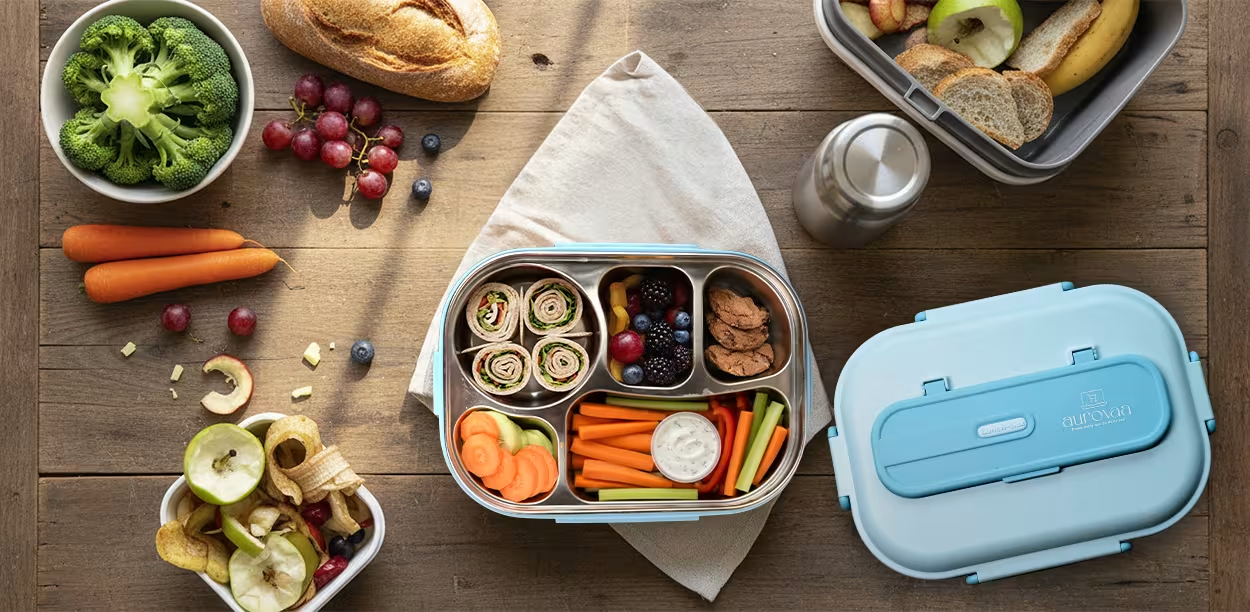
One of the easiest ways to manage food consumption is through portion control. Instead of estimating quantities every time, structured containers can guide how much food is packed and consumed. Portion control lunch boxes are designed with separate compartments that naturally divide meals into balanced sections for proteins, carbohydrates, fruits, and vegetables.
Some practical portion control tips include the following:
- Use compartment lunch boxes to divide meals into balanced portions.
- Pre-plan weekly meals to avoid cooking excess food.
- Measure ingredients while cooking to prevent over-preparation.
- Pack lunches in advance so portions remain consistent.
- Use reusable food containers to store leftovers safely.
Smart Meal Packing for Everyday Life
Packing meals efficiently is an important part of sustainable living. When meals are organised properly, food stays fresh longer and the chances of leftovers going unused are reduced. Using leakproof lunch boxes, stainless steel food containers, or bento-style compartment containers makes meal packing more practical for both children and adults.
Smart meal packing focuses on balancing nutrition and minimising waste. For example, instead of packing large servings that may not be finished, meals can be divided into smaller sections that match appetite levels. This approach is especially useful for school lunches and office meals.
A simple balanced lunch can include:
- A protein source such as paneer, eggs, lentils, or grilled chicken
- Whole grains like rice, roti, or quinoa
- Fresh fruits or vegetables
- A small snack such as nuts or seeds
Creative Leftover Lunch Ideas
Leftovers often get overlooked and eventually thrown away, but they can easily be transformed into new meals. With a little creativity, yesterday’s dinner can become a fresh and appealing lunch.
Some simple leftover lunch ideas include:
- Turning leftover vegetables into wraps or sandwiches
- Mixing rice with vegetables to create quick fried rice or pulao
- Adding leftover paneer or chicken to salads or grain bowls
- Using extra rotis to make rolls with fresh fillings
Building Sustainable Kitchen Habits
Reducing food waste ultimately comes down to creating sustainable daily habits. Small changes in the kitchen can lead to significant long-term impact. By focusing on meal planning tips, organised food storage, and portion control, families can create a more efficient and eco-friendly routine.
Sustainable kitchen habits include:
- Planning weekly meals before grocery shopping
- Storing food in airtight or leakproof containers
- Labeling leftovers with dates
- Using reusable stainless steel lunch boxes instead of disposable packaging
- Packing appropriate portions for school and office lunches
A Simple Step Toward a Waste-Free Kitchen
Reducing food waste does not require drastic lifestyle changes. It begins with small adjustments like smarter meal planning, portion control, and efficient food storage. By using lunch boxes that promote portion control, planning meals carefully, and making use of leftovers, households can significantly lower the amount of food that ends up in the bin.
In essence, these everyday choices contribute to a more organised kitchen and support a more sustainable way of living. When meals are packed thoughtfully and portions are planned wisely, families can enjoy balanced meals while making a positive impact on the environment.
Frequently Asked Questions
Portion control lunch boxes are designed with separate compartments that help you pack the right amount of food for each meal. By dividing meals into balanced portions for proteins, grains, fruits, and vegetables, they prevent overpacking and reduce the chances of uneaten food being thrown away. Using compartment lunch boxes also encourages mindful eating and better meal planning.
Effective meal planning tips include preparing a weekly menu, buying groceries based on planned meals, storing food in airtight containers, and using leftovers creatively. Planning meals in advance helps avoid overcooking and ensures that ingredients are used efficiently, which significantly helps to reduce food waste in households.
Compartment lunch boxes help organise meals by separating different food groups in one container. This makes it easier to follow balanced meal portions and prevents food items from mixing. They are particularly helpful for school lunches, office meals, and meal prep routines, making daily meal planning more convenient and efficient.
Reusable lunch boxes such as stainless steel lunch boxes or leakproof food containers reduce reliance on single-use plastic packaging. They help store food safely, maintain freshness, and support environmentally responsible habits. Switching to reusable containers is a small but effective step toward a more sustainable kitchen.
Leftovers can easily be transformed into new meals instead of being discarded. For example, leftover vegetables can be added to wraps or sandwiches, cooked rice can be turned into fried rice or pulao, and extra paneer or chicken can be used in salads or grain bowls. Storing leftovers in airtight food containers keeps them fresh and ready to use the next day.