Getting children to finish their lunch can sometimes feel like a daily challenge for parents. Many kids return home with half-eaten meals, untouched vegetables, or snacks they simply didn’t feel like eating. Parents often overlook one important factor when focusing on healthy lunch ideas for kids and balanced nutrition—the presentation of food. Surprisingly, the design of a lunch box and the way food is arranged inside it can strongly influence a child’s willingness to eat. Understanding the psychology of food presentation for children can help parents pack meals that kids actually enjoy finishing.
Encouraging children to eat well doesn’t always require major changes in diet or routine. Sometimes, something as simple as using a thoughtfully designed kids’ lunch box can transform the way children interact with their meals. By focusing on presentation, structure, and visual appeal, parents can create lunches that are both nutritious and enjoyable. A well-organised kids bento lunchbox helps with portion control for children and makes lunchtime something kids genuinely look forward to. In essence, when meals are fun to open, easy to explore, and visually appealing, children are far more likely to finish their lunch, turning everyday school meals into a positive and healthy habit.
Why Visual Appeal Matters to Children
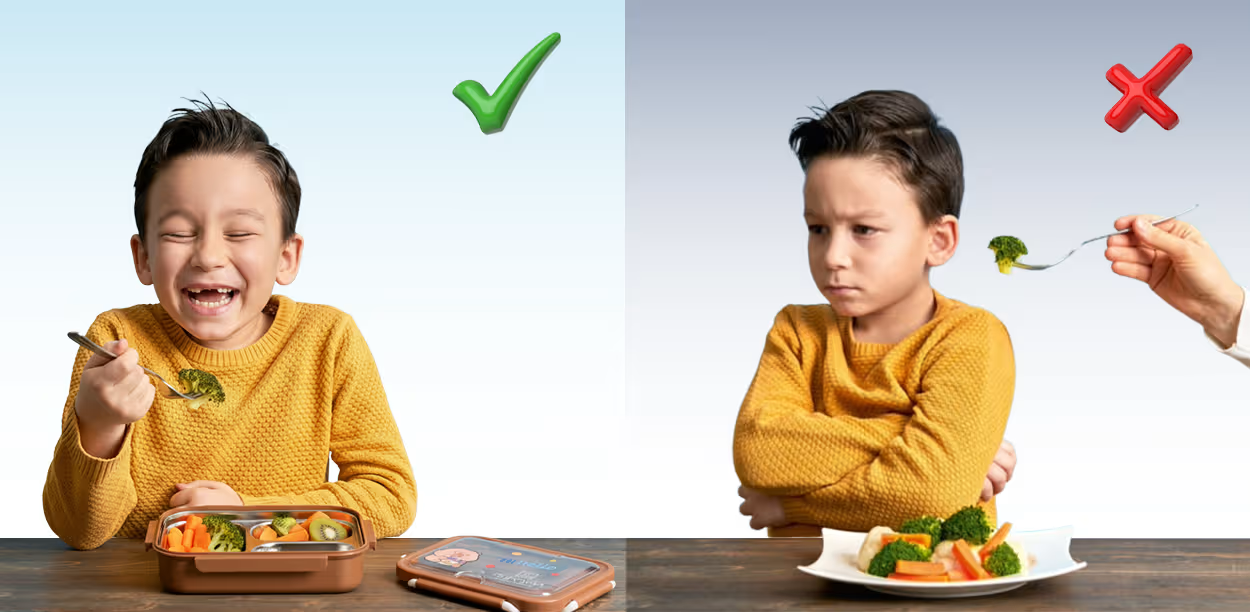
Children are naturally drawn to colourful shapes and playful designs. Research in food psychology suggests that visual presentation plays a big role in appetite, especially for younger children. When food looks interesting, colourful, and organised, kids are more curious and willing to try it. This is why adorable lunch boxes for kids have become increasingly popular. Bright colours, playful characters, and thoughtfully designed compartments make lunchtime more exciting. Instead of seeing lunch as just another meal, children begin to associate it with something fun and engaging. A well-designed school lunch box for kids can transform an ordinary meal into a small experience. Even simple foods like fruits, sandwiches, or vegetables appear more appealing when neatly arranged inside a visually attractive container.The Psychology of Food Presentation
The psychology of food presentation for children shows that kids are more likely to eat when food is presented in a structured and visually pleasing way. When different foods are mixed together in one container, children may feel overwhelmed or uninterested. However, when meals are organised neatly, children are more likely to explore each section. This is where a kids’ bento lunchbox can make a big difference. Bento-style lunch boxes have separate compartments that allow parents to organise different food items without mixing flavours or textures. This structure helps children identify what they are eating and encourages them to finish each section. For example, a balanced meal can easily be arranged with:- One section for fruits
- One for vegetables
- One for protein-rich snacks
- One for carbs like sandwiches or rotis
How Lunch Box Design Influences Eating Habits
Parents often ask why kids refuse food even when the meal is nutritious and tasty. Often, the issue isn’t the food itself but the overall experience of eating it. Children are more likely to engage with food that feels approachable and visually inviting. A thoughtfully designed bento box for kids encourages children to interact with their meal. Each compartment becomes a little “food discovery zone”, which makes it easier for kids to try different items at their own pace. This approach can gradually help them develop better eating habits. Additionally, adorable and themed designs—like animal characters or colourful patterns—create an emotional attachment. When children feel excited about opening their lunch box, they are more likely to eat what’s inside.Making Lunch More Fun and Appealing
Parents seeking fun lunch box ideas for kids don’t necessarily need complicated recipes. Sometimes, small changes in presentation can make a big difference. Cutting fruits into smaller pieces, arranging colourful foods, or adding variety across compartments can make meals more appealing. Some easy tips for packing school lunches include:- Use colourful fruits and vegetables to create visual variety
- Separate wet and dry foods using compartments
- Pack small portions instead of large servings
- Add a mix of textures like crunchy, soft, and juicy foods
Encouraging Kids to Finish Their Lunch
Parents constantly search for ways to make kids finish their school lunch. While nutrition remains important, the overall lunch experience plays an equally important role. A visually attractive and well-organised meal helps children feel more comfortable and interested in eating. When kids pack their meals in adorable lunch boxes, they often experience a feeling of control over their lunch. They enjoy opening it, showing it to friends, and discovering what’s inside. This excitement naturally encourages them to eat more of their food. Over time, these positive experiences can build healthier eating habits and reduce lunchtime food waste.A Small Change That Makes a Big Difference
Encouraging children to eat well doesn’t always require major changes in diet or routine. Sometimes, something as simple as using a thoughtfully designed kids’ lunch box can transform the way children interact with their meals. By focusing on presentation, structure, and visual appeal, parents can create lunches that are both nutritious and enjoyable. A well-organised kids bento lunchbox helps with portion control for children and makes lunchtime something kids genuinely look forward to. In essence, when meals are fun to open, easy to explore, and visually appealing, children are far more likely to finish their lunch, turning everyday school meals into a positive and healthy habit.
Frequently Asked Questions
Kids are naturally drawn to colourful shapes and fun designs. Cute lunch boxes make lunchtime exciting and visually appealing, which encourages children to explore and finish their food.
A bento-style lunch box with compartments is ideal because it keeps different foods separate, maintains freshness, and helps parents pack balanced meals with the right portions.
You can encourage children to finish their lunches by using fun lunch box ideas, packing colourful foods, keeping portions small, and arranging meals neatly in compartments.
Yes, compartment lunch boxes help with portion control, prevent food from mixing, and make meals visually appealing, which can encourage kids to try different foods
A balanced lunch box should include protein, fruits, vegetables, and carbohydrates. Using separate compartments in a kids bento lunch box makes it easy to organise these food groups.