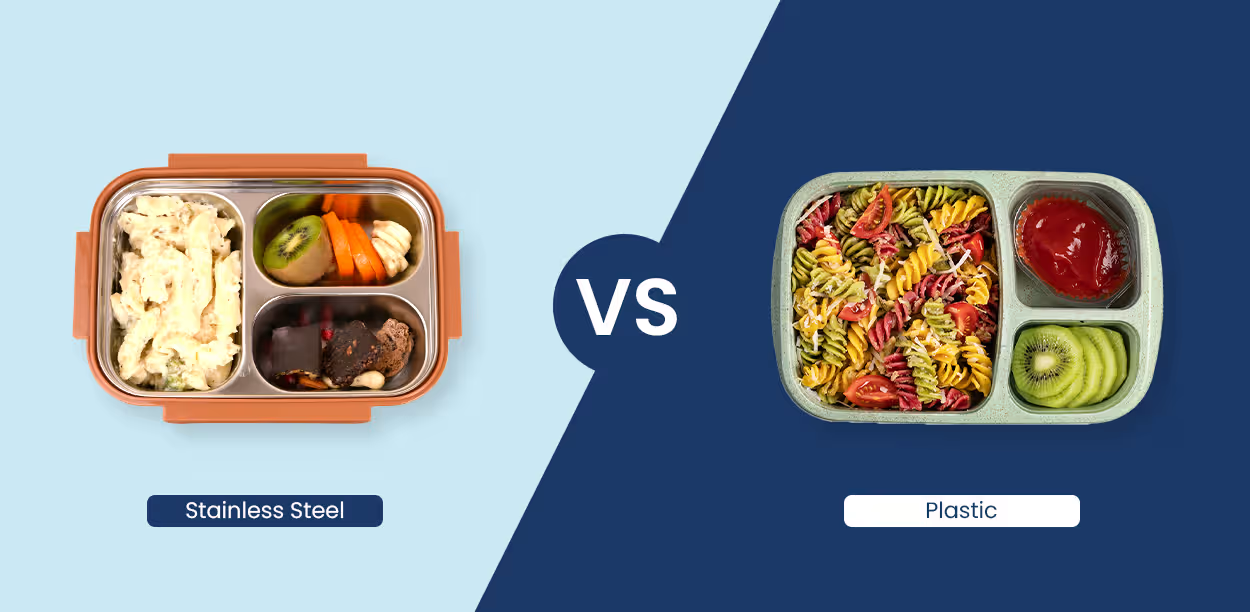
Plastic lunch boxes have been popular for years because they are lightweight and affordable. Many are labelled BPA-free, which reassures buyers about safety. However, plastic naturally degrades over time. Repeated exposure to heat, oil, and strong spices can cause staining, lingering odours, and gradual wear. Even high-quality plastic may warp or weaken after months of daily use. While it may work in the short term, it often needs replacement sooner than expected.
Stainless steel, on the other hand, offers long-term reliability. It is non-reactive, meaning it does not leach chemicals into your food, even when carrying hot curries or gravies. It does not absorb smells, it resists stains, and it maintains its structure for years. For anyone who packs Indian meals regularly or prefers warm, home-cooked food, stainless steel provides added peace of mind. The material supports both safety and freshness without compromising taste.
Another important factor is sustainability. With growing awareness around environmental responsibility, reducing single-use and short-lifecycle plastic has become essential. Plastic products often end up in landfills, contributing to long-term waste. Stainless steel is reusable, recyclable, and built to last. Choosing a durable stainless steel lunch box is not just a personal upgrade — it is a conscious step toward reducing plastic consumption in everyday life.
One common misconception is that steel lunch boxes are not leakproof. However, modern stainless steel bento designs have evolved significantly. With secure locking systems and silicone-sealed lids, leakproof performance is now achievable without relying on plastic interiors. This means you can confidently carry dals, sabzis, curries, or yoghurt in your work bag or your child’s school backpack without worrying about spills.
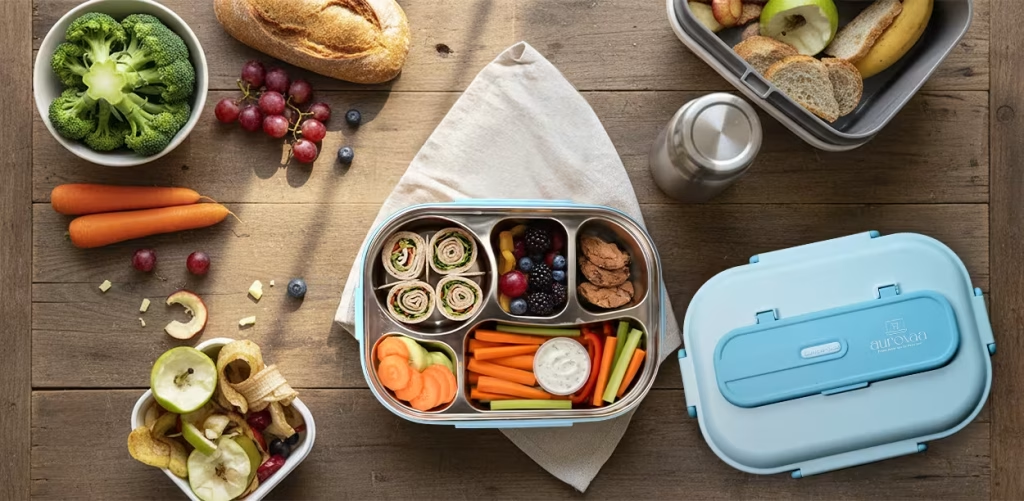
Meal organisation is another area where stainless steel bento-style lunch boxes stand out. Compartment designs help separate proteins, vegetables, and carbohydrates, encouraging balanced eating habits. For professionals managing a 9–5 schedule, students with long school hours, or fitness enthusiasts preparing macro-friendly meals, organised compartments make healthy eating easier and more practical.
At Aurovaa, the focus is on combining functionality with thoughtful design. Stainless steel lunch boxes are crafted to be leakproof, durable, and easy to clean while supporting everyday meal planning. Instead of being just a container, a well-designed lunch box becomes part of a healthier lifestyle — from gym to desk, from school to travel. When comparing stainless steel and plastic lunch boxes, the difference ultimately comes down to long-term value. Plastic may seem convenient at first, but stainless steel delivers greater durability, better food safety, and a more sustainable choice over time. For those looking to upgrade their lunch routine with something reliable and future-friendly, stainless steel stands out as the smarter option.
If you’re considering making the switch, choosing a high-quality, leakproof stainless steel lunch box can be a small change that creates a lasting impact — for your health and for the planet.
Frequently Asked Questions
Stainless steel does not absorb odours, stains, or flavours, which helps maintain food freshness and taste. It also resists bacterial buildup better than worn-out plastic containers.
Modern stainless steel bento-style lunch boxes are designed with secure locking systems and silicone-sealed lids, making them leakproof and suitable for carrying dals, sabzis, yoghurt, and other semi-liquid foods.
Stainless steel is significantly more durable. Plastic can warp, stain, or weaken over time, especially with repeated exposure to heat and spices. Stainless steel maintains its structure for years with proper care.
Stainless steel is reusable, recyclable, and built for long-term use, reducing the need for frequent replacements. Choosing stainless steel helps minimise plastic waste and supports environmentally responsible living.