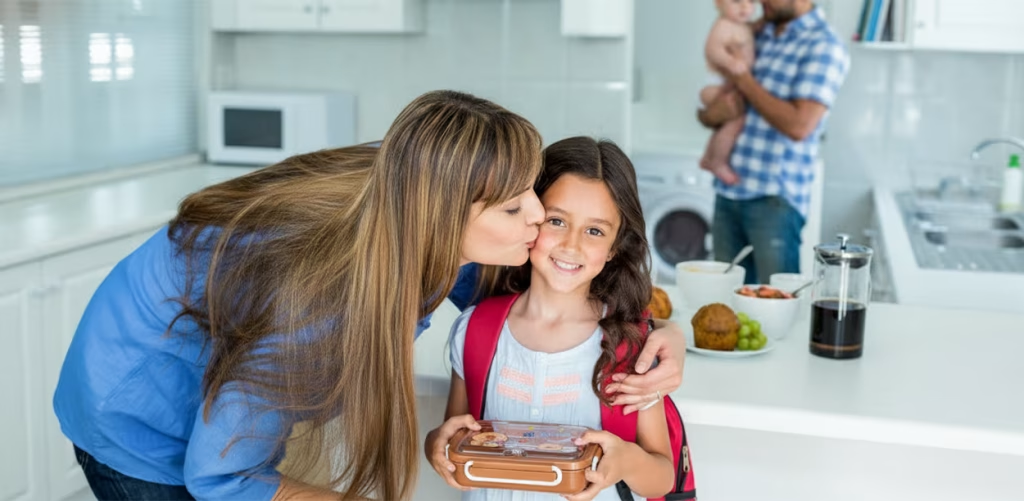
Building healthy eating habits early in life plays a crucial role in shaping a child’s long-term relationship with food. However, encouraging children to finish their meals—especially nutritious ones—can often feel like a daily challenge for parents. The secret lies not only in what you pack but also in how you pack it. Thoughtful school meal planning, creative presentation, and structured portion control for children can transform lunchtime into a positive and engaging experience. By combining healthy lunch ideas for kids with visually appealing and practical kids’ lunchbox ideas, parents can gently guide their children toward a balanced diet for children without making it feel forced.
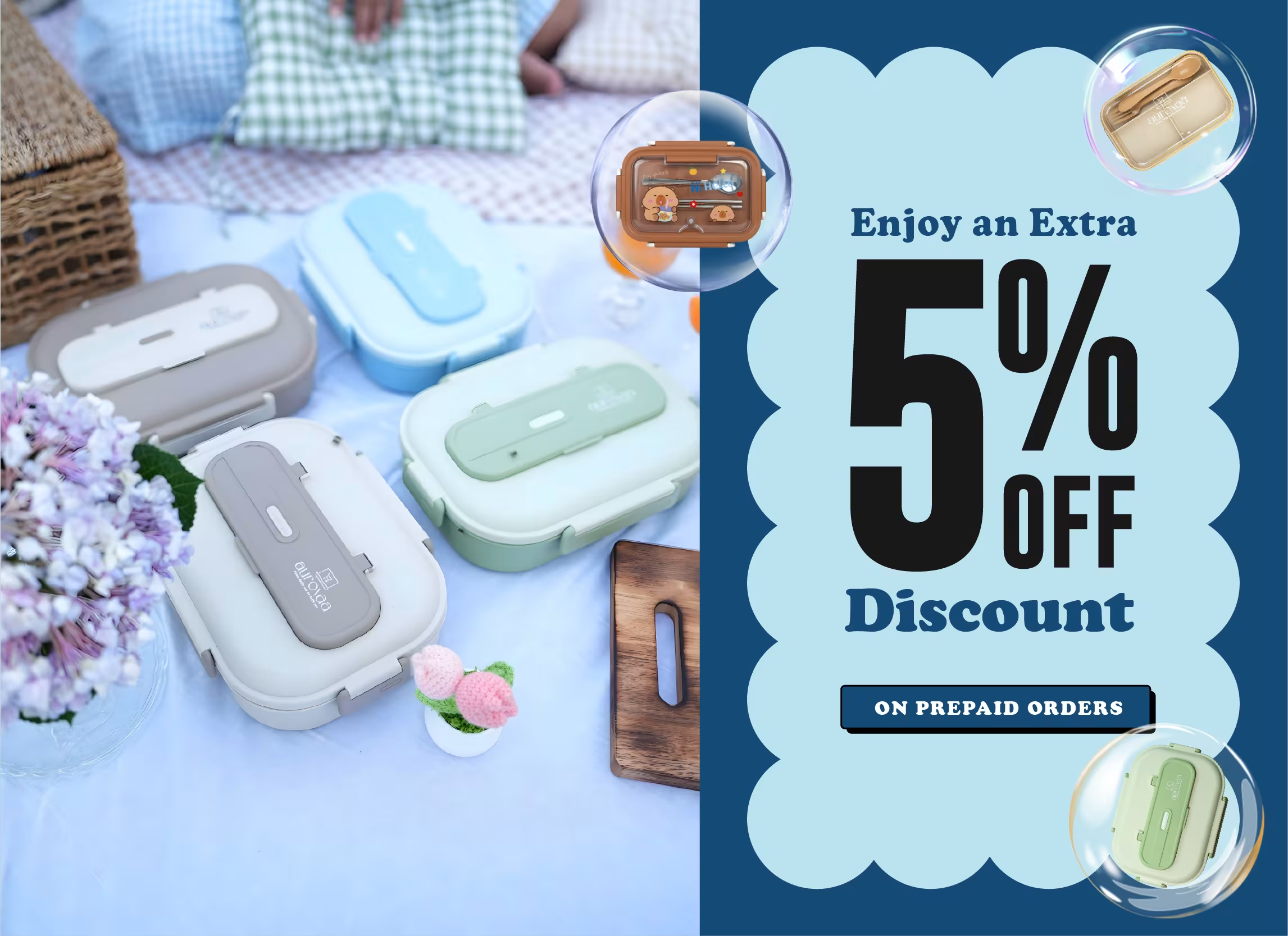
Children are highly visual eaters. Research in food psychology suggests that colour, shape, and arrangement influence appetite and willingness to try new foods. When fruits are sliced into fun shapes, vegetables are arranged neatly, and meals are separated into colourful compartments, children are more likely to explore and finish their food. This is where a well-designed Aurovaa Capybara Teddy Design Bento Box becomes more than just a container—it becomes a tool for engagement. Cute, themed designs create emotional attachment, while structured compartments help in organising nutrients effectively.
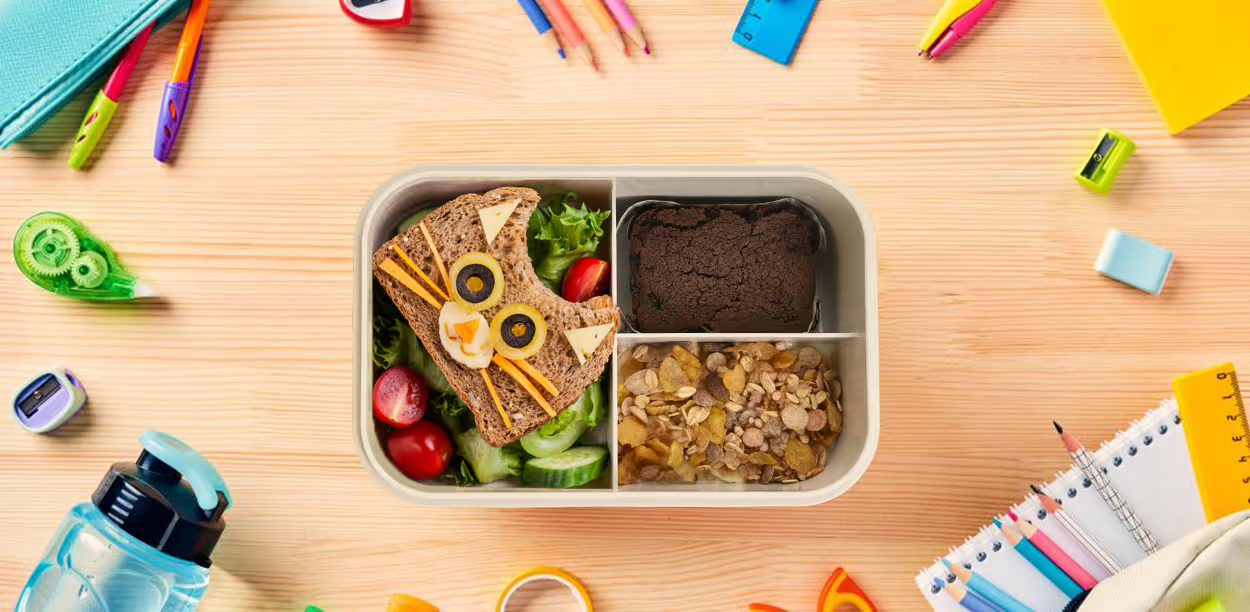
A balanced lunch doesn’t have to be complicated. It simply needs to follow a smart structure. Instead of packing random items, aim to create harmony between macronutrients—proteins, carbohydrates, healthy fats, and fibre. Using a bento box for kids makes it easier to visually divide food groups and introduce variety without overwhelming them.
Children are highly visual eaters. Research in food psychology suggests that colour, shape, and arrangement influence appetite and willingness to try new foods. When fruits are sliced into fun shapes, vegetables are arranged neatly, and meals are separated into colourful compartments, children are more likely to explore and finish their food. This is where a well-designed Aurovaa Capybara Teddy Design Bento Box becomes more than just a container—it becomes a tool for engagement. Cute, themed designs create emotional attachment, while structured compartments help in organising nutrients effectively.
A balanced lunch doesn’t have to be complicated. It simply needs to follow a smart structure. Instead of packing random items, aim to create harmony between macronutrients—proteins, carbohydrates, healthy fats, and fibre. Using a bento box for kids makes it easier to visually divide food groups and introduce variety without overwhelming them.
Why Presentation Matters in Kids’ Lunchboxes
Children often associate excitement with visuals. A colourful and neatly arranged meal can:- Increase curiosity about new foods
- Reduce resistance toward vegetables
- Encourage independent eating habits
- Improve overall food consumption
- Minimize lunchtime food waste
Smart Portion Control for Children
Portion control for children is essential for preventing overeating while ensuring adequate nutrition. Overpacked lunchboxes often lead to unfinished meals, which can create guilt or pressure. Structured compartments naturally guide portion sizes without requiring strict measurement. Here’s how smart compartmentalisation helps:- Small section for protein: Paneer cubes, boiled eggs, tofu bites, or grilled chicken
- Medium section for carbs: Paratha rolls, rice, pasta, or whole-grain sandwiches
- Large section for vegetables or fruits: Carrot sticks, cucumber slices, apple wedges, berries
- Tiny section for healthy treats: Nuts, seeds, or a small homemade sweet
Healthy Lunch Ideas for Kids That Actually Get Finished
Consistency in nutrition does not mean monotony. Rotate ingredients while keeping the structure similar. Some easy kids’ lunchbox ideas include:- Vegetable fried rice with cucumber sticks and orange slices
- Mini idlis with coconut chutney and pomegranate
- Whole wheat wraps with paneer and corn salad
- Pasta with mixed vegetables and apple cubes
- Paratha rolls with sprouts and seasonal fruit
Reducing Food Waste Through Smart Packing
One of the biggest concerns in school meal planning is food coming back untouched. Often, the issue isn’t taste—it’s quantity or presentation. Smart lunch packing reduces waste by:- Packing realistic portion sizes
- Separating wet and dry items
- Keeping food fresh with leakproof seals
- Making fruits and vegetables easy to grab
- Allowing children to see their choices visually
Making Lunchtime an Interactive Experience
Encouraging healthy eating habits also involves an emotional connection. You can:- Let your child help in choosing fruits or snacks
- Involve them in weekend meal prep
- Ask them to pick their lunch theme for the week
- Use colourful compartments to create “food rainbows”.
- Add small notes of encouragement inside the bag
The Long-Term Impact
When parents consistently use smart kids’ lunchbox ideas and practise proper portion control, they create a structured eating pattern. Over time, children begin to understand food groups, develop balanced preferences, and waste less. Structured presentation through compartment lunchboxes not only supports a balanced diet for children but also teaches them mindful eating habits that extend beyond school years. Healthy lunch ideas for kids are not about perfection; they are about balance, presentation, and practicality. By integrating thoughtful school meal planning with engaging, themed lunchboxes, parents can transform everyday meals into enjoyable, nourishing experiences. When children open a colourful, organised lunch that feels special to them, healthy eating becomes less of a rule and more of a routine—one compartment at a time.Frequently Asked Questions
Healthy lunch ideas for kids should be simple, colourful, and balanced. Options like vegetable fried rice with fruits, paneer wraps, mini idlis with chutney, whole wheat sandwiches, or pasta with mixed vegetables work well. Presenting these in a compartmentalised lunchbox helps maintain texture and makes meals more appealing.
Portion control for children can be managed by using compartment lunchboxes that naturally divide food groups. Include one section for protein, one for carbohydrates, one for fruits or vegetables, and a small section for healthy snacks. This helps create a balanced diet for children without overpacking.
A bento box for kids separates different food items into compartments, preventing mixing and maintaining freshness. It encourages variety, supports school meal planning, improves presentation, and reduces food waste by helping parents pack appropriate portion sizes.
Children are visual eaters, and colourful, neatly arranged meals increase curiosity and willingness to try new foods. Using creative kids’ lunchbox ideas with structured compartments can make healthy food more exciting and improve overall eating habits.
Smart school meal planning reduces food waste by packing realistic portions, separating wet and dry foods, and keeping meals fresh with leakproof containers. When food looks appealing and stays intact, children are more likely to finish their meals.